The Revenant Store: Inside the Film’s Iconic Set Secrets
When Leonardo DiCaprio trekked through icy rivers and snow‑bound forests, he wasn’t just acting—he was immersing himself in a world built from the ground up. The Revenant Store, the hidden gem of the film’s iconic set, holds the secrets that turned a grueling survival story into a visual masterpiece. From the raw wilderness to the meticulously crafted interiors, this behind‑the‑scenes look reveals how the crew recreated 1820s frontier America while keeping authenticity at the core.
Discovering The Revenant Store Set
The first clue to the magic lies in the venue itself. The Revenant Store was constructed on a remote spot in Alberta, Canada, where rugged terrain mirrors the unforgiving wilderness depicted on screen. Builders erected a fully functional 19th‑century general store, complete with weathered wooden beams, iron hardware, and period‑accurate signage. Every plank was hand‑scraped to show the natural grain and wear that years of use would create.
Even the smallest details mattered. The counter held brass scales, dried herbs, and a ledger written in period‑style calligraphy. These touches gave actors tangible props to interact with, allowing their performances to feel grounded in reality rather than imagined.
Location and Natural Landscape
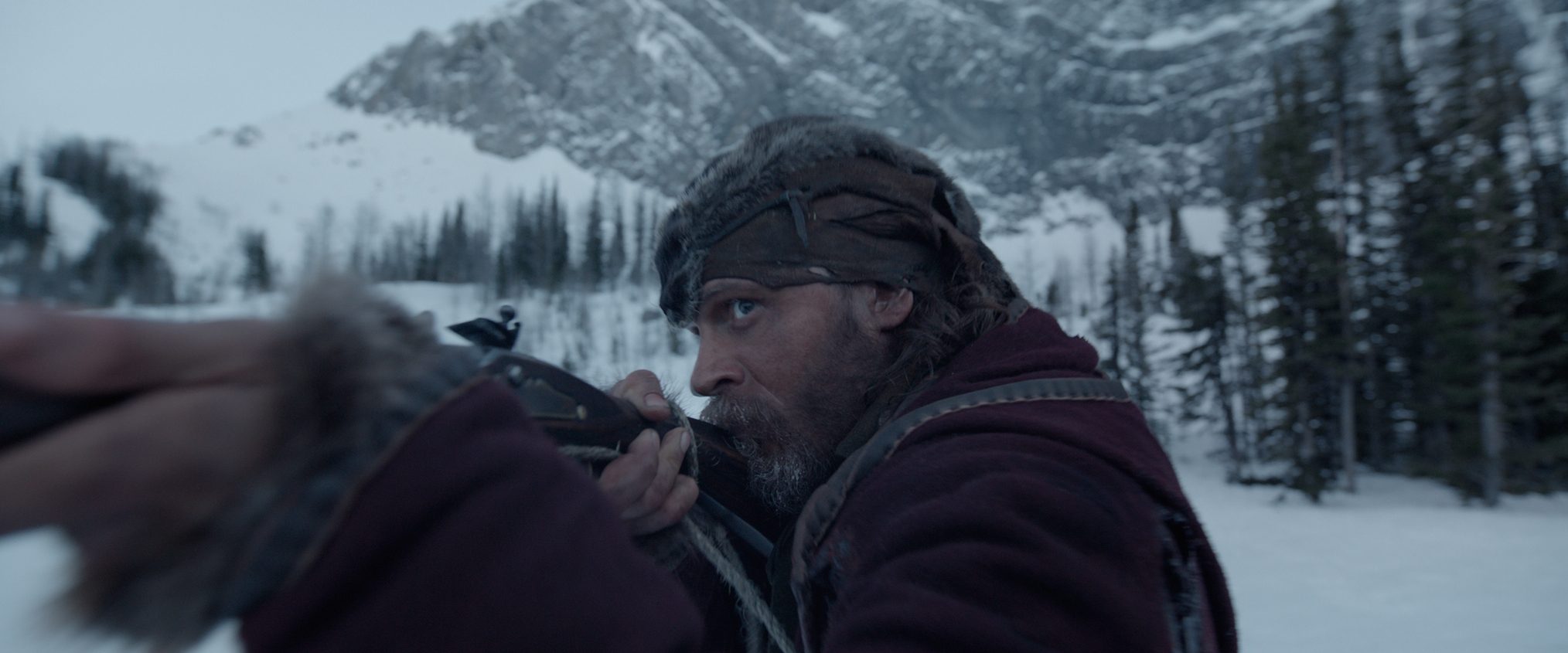
The surrounding landscape was chosen for its stark beauty and isolation. Snow‑capped mountains, frozen rivers, and dense pine forests provided a backdrop that required minimal CGI. The production team mapped out camera angles that captured the stark contrast between the store’s warm interior and the cold, unforgiving outside.
To maintain continuity, crew members documented weather conditions daily. When a sudden blizzard rolled in, they adjusted lighting and costumes on the fly, ensuring that the store’s interior lighting remained consistent with the storm’s intensity. This attention to environmental detail made the setting feel like a living, breathing character.
Set Design Secrets and Practical Effects
Behind the rustic façade, clever engineering kept the set safe for cast and crew. The floorboards were built on a hidden platform that could be raised or lowered, allowing for quick changes between scenes of calm interior dialogue and chaotic action sequences. Specially designed doors could swing open with a single push, creating realistic drafts that blew snow into the store during fight scenes.
Practical effects replaced costly digital tricks. For the iconic bear attack, a combination of animatronics and real animal footage was blended on set, with the store’s windows rigged to shatter on cue. The sound team recorded authentic creaking wood and distant wind, layering them to heighten tension whenever the store appeared on screen.
Legacy and Fan Experiences
Since the film’s release, The Revenant Store has become a pilgrimage spot for cinephiles seeking to walk the same wooden planks as DiCaprio. Guided tours now walk visitors through the original set, sharing anecdotes about how the crew braved sub‑zero temperatures to keep the store’s doors open for crucial shots.
Fans also engage online, swapping photos and behind‑the‑scenes footage that highlight the store’s contribution to the movie’s gritty realism. The legacy of The Revenant Store proves that when filmmakers invest in authentic set design, the result resonates far beyond the screen, turning a movie set into an enduring piece of cinematic history.