The Mask Shop: Inside the Cult Movie’s Secret Set Secrets
Step behind the velvet ropes of one of Hollywood’s most whispered‑about locations and discover why The Mask Shop continues to intrigue fans and filmmakers alike. Hidden from the public eye, this secret set has played a pivotal role in shaping the iconic look of a beloved cult classic. In this deep dive we’ll explore the lore, the craftsmanship, and the lingering impact of the space that gave a legendary mask its home.
Behind the Curtain: The Origin of The Mask Shop
The story begins in the late 1980s when a visionary production designer rented a modest warehouse on the outskirts of Los Angeles. What started as a simple prop storage area quickly evolved into a specialized workshop—later dubbed The Mask Shop—where a small team of artisans could experiment without the constraints of a traditional studio lot.
Behind its unassuming exterior, the shop housed an eclectic mix of sculpting tools, foam cutters, and vintage painting supplies. The team’s mission was clear: to bring a fantastical, larger‑than‑life character to life while preserving a sense of mystery that would keep audiences guessing.
What set The Mask Shop apart was its dedication to handmade techniques. Instead of relying on emerging computer‑generated imagery, the crew hand‑crafted every component, from the mask’s structural framework to its intricate texture details. This tactile approach gave the final product an authentic, almost tactile presence on screen.
Today, the original location remains a subject of fascination, with many aspiring designers seeking to set foot inside its legendary walls. Though the boutique has since moved to a more discreet address, its legacy continues to inspire the next generation of mask makers.
Set Design Secrets: How the Shop Shaped the Film’s Visual Identity
Every camera angle and lighting cue was carefully considered within The Mask Shop’s confines. The designers used a combination of high‑contrast shadows and strategically placed mirrors to test how the mask would react under different cinematic conditions.
One of the most guarded techniques involved a custom‑built rig that allowed the mask to rotate seamlessly while maintaining perfect alignment with the actor’s facial movements. This rig, built from reclaimed industrial parts, gave the character an uncanny fluidity that still amazes viewers today.
The shop also incorporated a series of modular backdrops that could be swapped out in seconds, enabling rapid scene changes without breaking the creative flow. These backdrops featured hand‑painted textures that mimicked everything from gritty city alleys to surreal dreamscapes.
Such innovations were not merely for show; they fundamentally influenced the film’s mood, turning the supernatural elements into a visceral experience that felt both immediate and timeless.
Props and the Legendary Mask: Craftsmanship Meets Storytelling
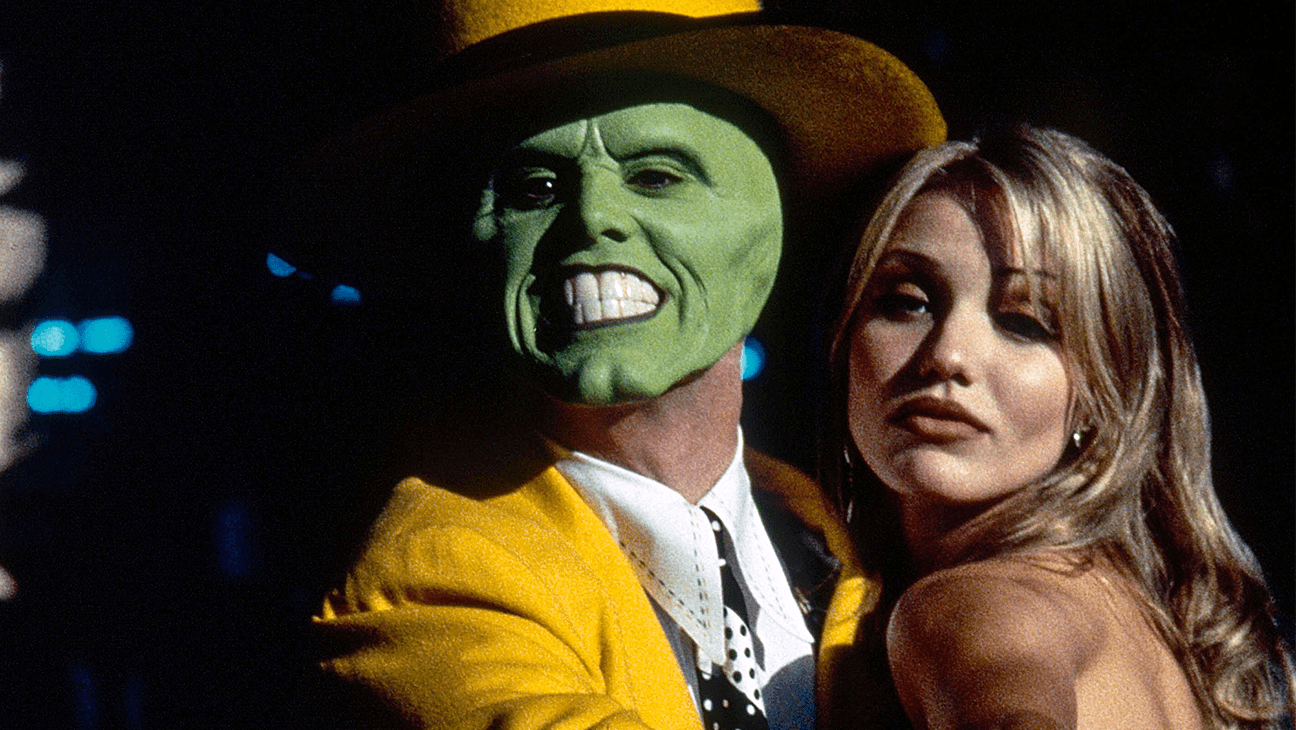
At the heart of the operation lay the mask itself—a masterpiece of foam, latex, and airbrushed detail. Artisans began with a base sculpt made from clay, which they then molded into a lightweight foam shell. This shell was meticulously sanded to create the distinct ridges and grooves that define the character’s iconic silhouette.
Layer upon layer of paint and sealant gave the mask its signature sheen, while tiny hidden mechanisms allowed for subtle expressions that mirrored the actor’s performance. The result was a prop that could convey emotion without relying on CGI, a rare achievement for its era.
Beyond the mask, the shop produced an array of ancillary props—gloves, costumes, and even the infamous prop weapon—all designed to maintain a cohesive aesthetic. Each item underwent rigorous testing to ensure durability during demanding action sequences.
These painstaking efforts paid off, as the mask’s unforgettable presence continues to dominate pop culture references, merchandizing, and fan art worldwide.
Legacy and Fan Culture: The Enduring Influence of The Mask Shop
Since its inception, The Mask Shop has become more than a production space; it’s a pilgrimage site for enthusiasts who admire the blend of artistry and ingenuity. Online forums are filled with detailed replicas, tutorials, and behind‑the‑scenes anecdotes that celebrate the shop’s groundbreaking methods.
Modern filmmakers often cite The Mask Shop as a benchmark for practical effects, echoing its principles in recent productions that favor tangible props over digital shortcuts. Workshops and masterclasses now teach aspiring artists the same hands‑on techniques that once defined the shop’s workflow.
Moreover, the cultural impact extends into fashion, with designers borrowing its bold motifs for runway collections and streetwear. This cross‑genre influence underscores the shop’s role as a catalyst for creativity that transcends the screen.
As new generations discover the film’s cult status, the legend of The Mask Shop continues to grow, proving that genuine craftsmanship can leave an indelible mark on both cinema and popular imagination.
In the end, the allure of The Mask Shop lies in its mystique—a hidden sanctuary where imagination met technical mastery to produce a timeless icon. By peeling back the layers of secrecy, we gain not only a deeper appreciation for the film’s aesthetic triumph but also a reminder that true artistry often thrives behind closed doors. Whether you’re a die‑hard fan or a curious newcomer, exploring the shop’s secrets offers a fresh perspective on the power of creative dedication and the lasting spirit of a cult classic.