The Great Dictator Shop: 5 Reasons This Film Still Shocks
When you hear the name The Great Dictator Shop, you might imagine a quirky boutique, but the reality is far more provocative. This off‑beat film still manages to shock audiences decades after its release, blending razor‑sharp satire with daring visuals that echo today’s political climate. If you think the cultural landscape has softened, think again—this movie proves that bold storytelling can still bite.
Satire That Still Cuts Deep
The film’s humor is rooted in a fearless lampooning of authoritarian figures, a technique that feels startlingly fresh even now. By caricaturing power with exaggerated gestures and absurd dialogue, it forces viewers to confront the absurdity of blind obedience. The satire isn’t just a throwback to a bygone era; it mirrors contemporary discourse, reminding us how easily rhetoric can mask oppression.
What makes this satire timeless is its universality. The characters, though historically anchored, embody archetypes that appear in any regime that thrives on fear. This relevance amplifies the shock factor, because the audience sees reflections of current events in a story that feels both historic and immediate.
Visual Boldness That Defies Time
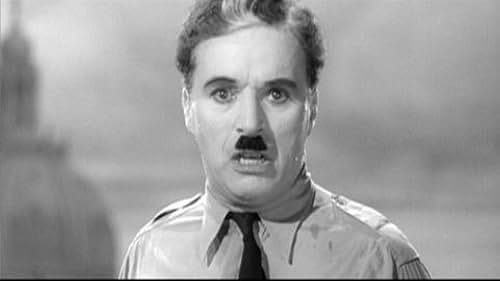
From stark black‑and‑white cinematography to surreal set pieces, the film’s visual language is intentionally jarring. Directors used contrast and composition to emphasize the starkness of totalitarian control, while moments of exaggerated color hinted at the chaos beneath the façade. These choices create a disorienting experience that grips the viewer from start to finish.
Every frame feels meticulously crafted to provoke a reaction. The exaggerated costumes, oversized props, and exaggerated facial expressions all serve a purpose: to make the audience question what they accept as normal. This visual shock is a key reason why the film still resonates with modern eyes.
Controversial Dialogues That Echo Today
Lines that once sparked outrage in cinema halls now feel eerily prescient. The screenplay weaves together biting one‑liners and heartfelt monologues that challenge the viewer’s complacency. By juxtaposing comedy with serious critique, the dialogue forces a reflection on the fragility of democratic values.
In a world saturated with sound bites and political spin, the film’s unapologetic speech acts cut through the noise. The words ring as a warning, highlighting how rhetoric can be weaponized, and why it’s essential to stay vigilant. This linguistic boldness continues to shock, prompting debates long after the credits roll.
The Great Dictator Shop Phenomenon: Cultural Impact
Beyond its artistic merits, the film has sparked a subculture of discussion forums, academic courses, and even pop‑culture references. The name itself has become shorthand for daring commentary, inspiring creators to push boundaries in their own work. Its legacy proves that shock can be a catalyst for deeper societal introspection.
Fans and critics alike point to its influence on modern satire, from political cartoons to television series that dare to ridicule power. The ripple effect of this daring piece shows that shocking content, when executed with purpose, can drive lasting change and keep conversations alive for generations.
In conclusion, The Great Dictator Shop remains a cinematic powerhouse that shocks because it refuses to soften its edge. Its relentless satire, striking visuals, provocative dialogue, and enduring cultural footprint ensure it stays relevant, urging us to question authority and champion free thought. As long as societies grapple with power, this film will continue to echo, unsettle, and inspire.