
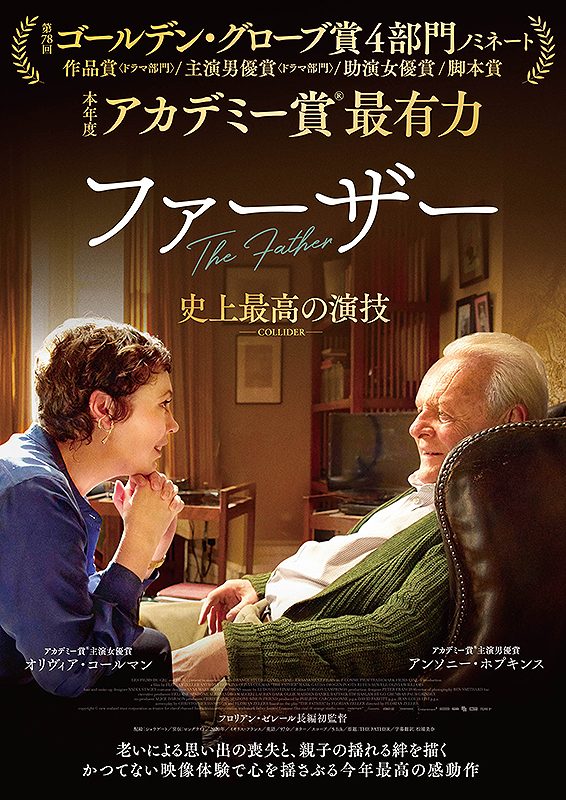
The Father Store Movie Review: Why This Drama Hits Home
The Father Store is a quietly powerful drama that lingers long after the credits roll, drawing viewers into a world where family ties are tested and personal truths are uncovered. From the opening scene, the film establishes a tone of intimate realism, inviting audiences to walk alongside characters whose struggles feel both universal and deeply personal. Its subtle storytelling and raw emotional core make it a standout piece that resonates with anyone who has ever grappled with love, loss, and the search for identity.
Plot Overview and Core Themes
At its heart, The Father Store follows a struggling family-owned bookstore that becomes a metaphor for generational conflict and legacy. When the patriarch’s health declines, his children must confront the weight of responsibility, the allure of independence, and the fear of abandoning the family name. This narrative structure deftly weaves themes of grief, reconciliation, and the bittersweet nature of change, creating a canvas where each character’s journey reflects a broader human experience.
The film’s pacing mirrors the slow, deliberate turning of pages, allowing moments of quiet reflection to breathe alongside tension-filled confrontations. By focusing on everyday rituals—such as arranging books, sharing coffee, and revisiting old photographs—the story grounds its emotional stakes in relatable details, making the drama feel like a personal diary rather than a distant spectacle.
Standout Performances and Directorial Choices
One of the most compelling aspects of The Father Store is its ensemble cast, each delivering nuanced performances that feel both authentic and layered. The lead actor portrays the aging father with a restrained vulnerability, conveying a lifetime of unspoken regrets through subtle gestures and lingering glances. Meanwhile, his adult children navigate a delicate balance of resentment and affection, providing a realistic portrayal of sibling dynamics.
The director’s choice to employ natural lighting and handheld camera work enhances the film’s intimacy, drawing viewers into the cramped aisles of the store and the cramped emotional spaces of the characters. Minimalist sound design—marked by the rustle of pages and soft murmurs—amplifies the silence that often speaks louder than dialogue, reinforcing the film’s contemplative mood.
Emotional Resonance – Why This Drama Hits Home
The emotional impact of The Father Store lies in its ability to reflect the viewer’s own experiences with family and change. By presenting the store as a living entity that holds memories, hopes, and burdens, the film invites audiences to consider their own “stores” of legacy—be it a family business, cultural heritage, or personal history. This universal metaphor makes the drama instantly relatable, prompting introspection about what we cherish and what we must let go.
Moreover, the film does not shy away from portraying the messy, imperfect nature of reconciliation. Scenes of heated arguments are followed by quiet moments of forgiveness, underscoring that healing is a process rather than a single event. This honest depiction resonates deeply, offering solace to anyone navigating strained relationships or confronting the inevitable passage of time.
Final Thoughts
In sum, The Father Store stands out as a moving, meticulously crafted drama that masterfully blends compelling storytelling with authentic performances. Its exploration of familial duty, personal identity, and the delicate balance between holding on and moving forward creates a narrative that feels both intimate and universally resonant. Whether you are a fan of character-driven films or simply seeking a story that speaks to the heart, this movie delivers a poignant reminder that the most enduring legacies are built on love, understanding, and the courage to face the future together.