
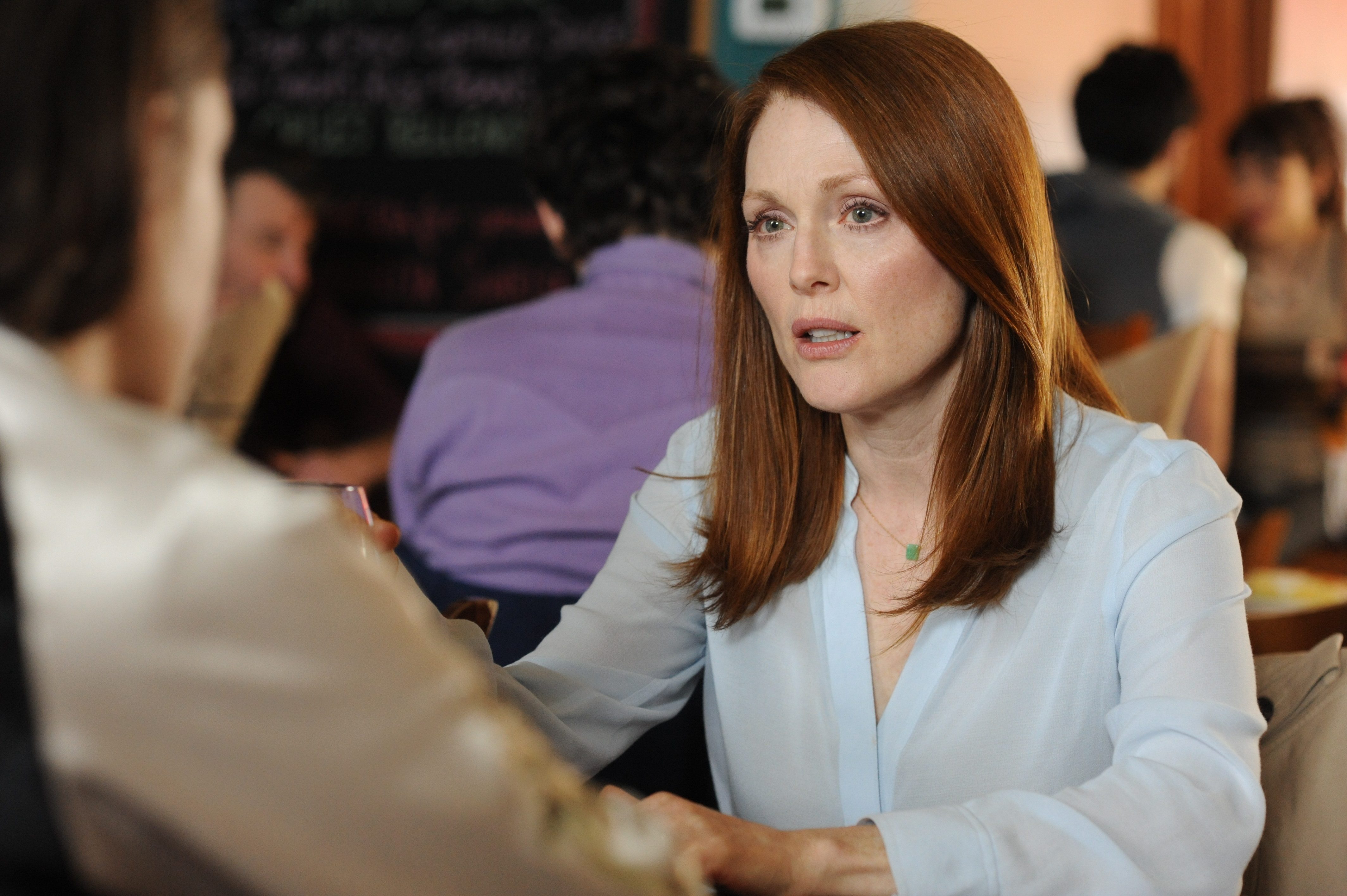
Still Alice Store Review: How the Film Captures Memory Loss
When I first heard about the Still Alice Store and its connection to the film “Still Alice,” I was curious how a retail concept could reflect the delicate portrayal of memory loss on screen. The movie, starring Julianne Moore, offers an intimate look at early-onset Alzheimer’s, and the Store’s branding aims to echo that emotional journey. In this review, I’ll explore how the film captures the nuances of fading memory, how the Store’s aesthetic aligns with the narrative, and why both deserve attention from anyone interested in thoughtful storytelling.
Still Alice Store Review: Capturing Memory Loss
The Still Alice Store draws directly from the film’s visual language—soft lighting, muted color palettes, and a focus on simple, elegant design. Just as the movie follows Dr. Alice Howland’s gradual struggle to remember names and faces, the Store’s layout encourages visitors to slow down and notice subtle details. Shelves are organized with clear signage, mirroring the protagonist’s attempts to create external cues for her own memory. This intentional design not only pays homage to the film but also serves as a practical aid, demonstrating how environment can support those experiencing cognitive decline.
Emotional Resonance Through Visual Storytelling
“Still Alice” uses close-up shots of everyday objects—a cup of coffee, a family photo—to symbolize the fragments of memory that Alice clings to. The Store incorporates similar visual motifs, displaying items like vintage books and handcrafted mugs that evoke nostalgia. Each product feels like a story fragment, inviting customers to create personal connections. This approach mirrors the film’s strategy of grounding abstract neurological concepts in tangible experiences, making the concept of memory loss both relatable and tangible for a broader audience.
Product Curation Reflecting the Film’s Themes
Beyond aesthetics, the Store’s product selection aligns with the film’s themes of resilience and hope. Items such as journals, brain‑training games, and calming aromatherapy blends are positioned not just as merchandise but as tools for mental wellness. By offering these resources, the Store extends the conversation initiated by the movie, encouraging proactive engagement with cognitive health. This synergy reinforces the film’s message: while memory loss is challenging, there are meaningful ways to adapt and find comfort.
Conclusion: A Thoughtful Blend of Cinema and Commerce
The Still Alice Store succeeds in more than merely capitalizing on a popular movie title; it thoughtfully translates the film’s intimate portrayal of memory loss into a physical retail experience. From its design choices that echo Alice’s coping strategies to its curated selection of supportive products, the Store offers a respectful tribute that educates and comforts. Whether you’re a fan of the film or someone seeking resources for memory care, the Store provides a space where cinematic art meets real‑world empathy, reminding us that storytelling can inspire tangible change.