
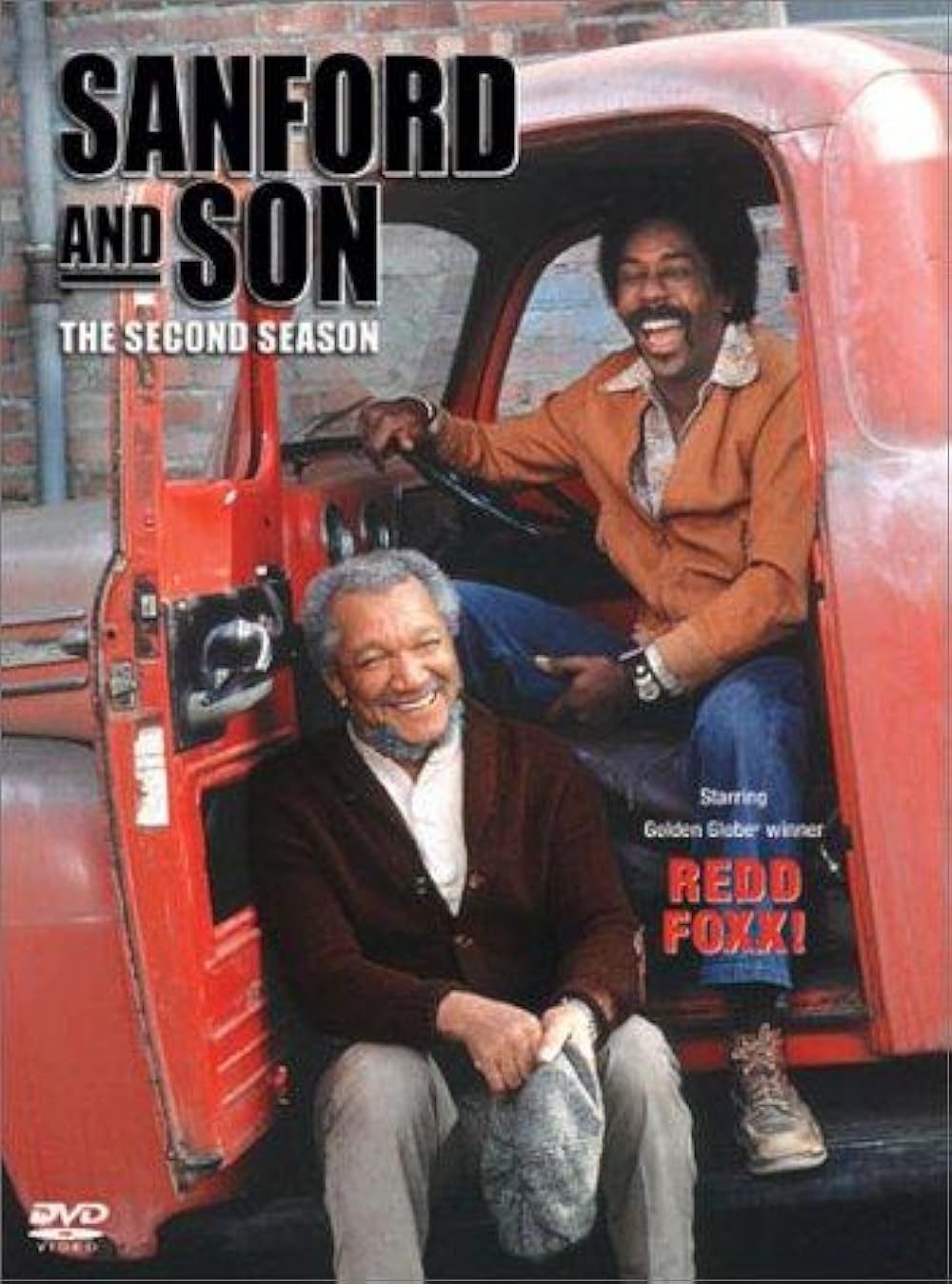
Sanford And Son Store Secrets: Inside the Classic TV Set
Step onto the dusty wooden floorboards of a 1970s sitcom and you’re instantly transported to a world where comedy and community collide. The iconic setting of the classic series is more than just a backdrop; it’s a character in its own right. From the battered storefront to the cramped living space above, every detail whispers stories of the era. In this behind‑the‑scenes look, we uncover the hidden gems and set tricks that made the Sanford And Son Store feel like a living, breathing neighborhood hub.
Crafting the Authentic Sanford And Son Store Facade
The exterior of the store was deliberately designed to evoke a struggling, family‑run business. Real‑world materials like reclaimed lumber and rusted metal sign brackets were sourced from local salvage yards. This gave the storefront a weathered look that no studio paint could replicate. The iconic hand‑painted sign, with its uneven letters and faded gold leaf, was hand‑crafted by a local artist who specialized in vintage advertising.
Set designers also paid close attention to the neighborhood context. Trash cans, newspaper racks, and an old motorcycle were strategically placed to suggest a lived‑in environment. Even the cracked sidewalk tiles were custom‑molded to match Philadelphia’s historic streets, reinforcing the authenticity of the Sanford And Son Store location.
Inside the Store: Details That Delivered Comedy
Inside, the clutter was intentional. The aisles were packed with mismatched shelves, dented cash registers, and an eclectic mix of merchandise ranging from cheap toys to worn‑out clothing. Each prop was chosen to serve dual purposes: visual comedy and functional storytelling. The notorious “broken” coffee maker, for example, became a running gag that underscored Fred Sanford’s cantankerous personality.
Lighting played a subtle yet crucial role. Warm, low‑intensity bulbs were used to create a cozy, dim atmosphere, allowing the actors’ expressions to stand out. Spotlights were hidden behind faux ceiling panels to highlight moments of slapstick without breaking the illusion of a real store setting.
Set Secrets: Hidden Camera Angles and Practical Effects
Behind every laugh lay clever camera work. The set was built on a soundstage with removable walls, enabling the crew to shoot from multiple angles without exposing the studio environment. This flexibility allowed for tight close‑ups of Fred’s facial reactions while still capturing the bustling shop floor in the background.
Practical effects added a layer of realism. When a crate fell over, the production team rigged it with concealed springs, ensuring a safe yet convincing tumble. Similarly, the squeaky floorboards were fitted with hidden rubber pads, producing exaggerated sounds that enhanced comedic timing without damaging the set.
Legacy of the Sanford And Son Store Set Design
The meticulous attention to detail set a new standard for sitcom set design. Future shows borrowed the technique of blending authentic props with strategic camera placement to create immersive environments. The Sanford And Son Store remains a case study in how a well‑crafted set can elevate storytelling, turning a simple storefront into a cultural landmark.
Today, fans still visit museums and replica installations to experience the iconic set firsthand. Its enduring popularity proves that when a set is built with heart and humor, it transcends the screen, inviting new generations to step inside and discover the magic for themselves.