Rango Store Secrets: How the Film’s Wild West Set Was Made
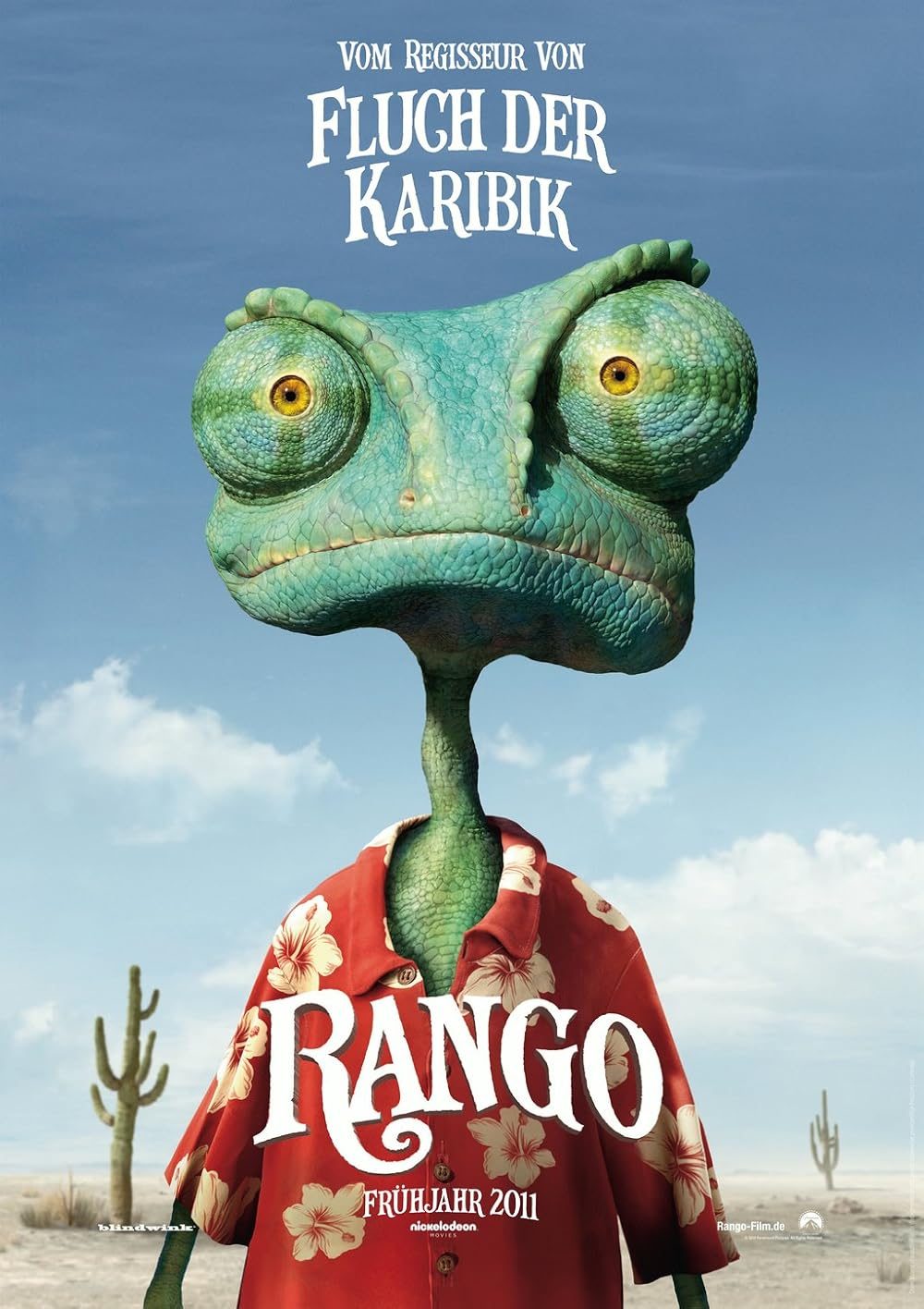
When the animated classic Rango burst onto screens, fans were captivated not only by its quirky humor but also by the vivid, dust‑kissed world that seemed to leap straight from a classic Wild West town. Behind that visual feast lies an impressive blend of artistry, engineering, and hidden storytelling—especially the iconic Rango Store, a centerpiece that helped define the film’s rugged charm. In this behind‑the‑scenes look, we’ll explore how the set was built, what secrets were tucked into its cracks, and why it still inspires set designers today.
Design Vision Behind the Set
The creative team began with a simple premise: a ghost‑town that felt both lived‑in and abandoned. Lead art director Claire Stewart sketched broad silhouettes of saloons, a water tower, and the famous Rango Store, then layered in details that echoed real Old West towns. By studying photographs of Route 66 remnants, the team captured the weathered wood, cracked adobe, and uneven horizons that give the set its authentic feel.
Every prop was chosen to tell a story. The Rango Store’s chipped signage, for instance, hints at a once‑bustling hub for prospectors and desert wanderers. Color palettes of ochre, rust, and muted teal were deliberately muted, letting the characters’ bright designs pop against the rust‑colored backdrop.
Materials and Construction Techniques
To achieve a tactile realism, the crew mixed traditional set‑building methods with modern technology. Core structures were framed from reclaimed lumber, salvaged from actual barns and warehouses. This not only reduced costs but added genuine grain and nail marks that would be impossible to replicate with new wood.
Meanwhile, digital sculptors used 3D scanning to map the terrain. The scanned data informed the placement of sandbags, wooden planks, and the distinctive façade of the Rango Store. When daylight hit the set, shadows fell just as they would in a real desert town, creating immersive lighting that required minimal post‑production fixes.
Specialty artisans crafted the rusted metal barrels and dented wagon wheels by hand, using acid washes and sandblasting. Even the tiniest details—like a chipped bottle on the store shelf—were molded from silicone and painted with weather‑tight enamel to withstand long shooting days under hot studio lights.
Hidden Details and Easter Eggs
Fans love hunting for Easter eggs, and the Rango set is a treasure trove. Inside the Rango Store, the back wall features a faded newspaper clipping that references a fictional 1902 Sundance rodeo—a nod to a sketchbook doodle by the film’s original storyboard artist. Over the counter, a tiny cactus is positioned to mirror the shape of a classic pop‑culture icon, rewarding eagle‑eyed viewers.
Another subtle secret lies in the floorboards. A section of plank bears an engraved number “42,” a tribute to the film’s 42nd storyboard revision where the final plot twist was first suggested. These hidden touches add layers of storytelling, making the set a living narrative beyond its on‑screen moments.
Conclusion: Legacy of a Legendary Set
The Rango Store and its surrounding Wild West set remain a benchmark for blending practical set design with digital finesse. By grounding the fantastical world in authentic materials, the creators gave audiences a tangible connection to the desert town’s rugged soul. The meticulous craftsmanship—down to the weathered sign on the Rango Store—continues to inspire set builders, animators, and filmmakers who seek to craft worlds that feel both imagined and lived‑in.
As new audiences discover the film, the set’s secrets invite fresh exploration, proving that great design never truly ages. Whether you’re a fan, a set designer, or simply curious about movie magic, the story behind the Rango Store’s creation offers a compelling reminder: the most memorable locations are built with heart, history, and a dash of hidden wonder.