No Kings Merchandise: How Anti‑Monarchy Gear Fuels Politics
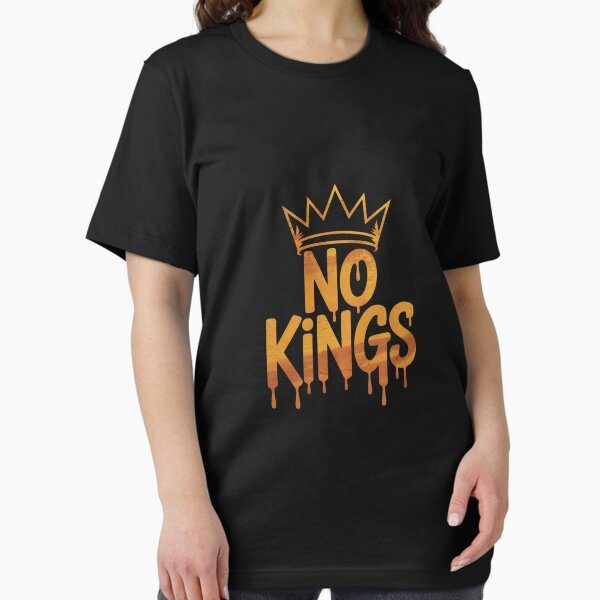
In recent years, the surge of activist apparel has turned fashion into a battleground for ideas, and nowhere is this more evident than with No Kings Merchandise. From bold T‑shirts to striking hoodies, this anti‑monarchy gear isn’t just about style—it’s a visual rallying cry that fuels political conversation, challenges tradition, and mobilizes a new generation of dissenters. Whether you’re a seasoned activist or a curious onlooker, understanding how these garments shape public discourse reveals the power of clothing as a catalyst for change.
No Kings Merchandise and the Rise of Anti‑Monarchy Sentiment
The popularity of No Kings Merchandise reflects a deeper societal shift. As monarchies worldwide face scrutiny over privilege, expense, and relevance, consumers increasingly turn to apparel that signals their stance. Wearing a shirt emblazoned with a crowned skull or a slogan that questions royal authority instantly communicates a political position without uttering a word. This silent protest resonates especially with younger voters, who see the brand as both a statement of identity and a form of civic engagement.
Beyond personal expression, the merchandise serves as a conversation starter. A passerby might ask, “What’s that on your shirt?” prompting discussions about the role of monarchy in modern governance. These exchanges, sparked by a simple piece of clothing, can spread awareness, challenge complacency, and inspire activism beyond the retail counter.
From Streetwear to Campaign Tool: How Merch Boosts Political Mobilization
Political campaigns have long harnessed the power of symbols, and No Kings Merchandise has become a modern incarnation of that strategy. By partnering with grassroots movements, the brand supplies campaign volunteers with recognizable gear that unifies participants under a common visual banner. The consistency of design—whether a discreet emblem or a bold graphic—creates a sense of solidarity, making rallies feel more organized and impactful.
Furthermore, the merchandise’s accessibility amplifies its reach. Affordable price points allow supporters from diverse socioeconomic backgrounds to join the visual protest. When thousands wear the same emblem at a protest, the effect is magnified: media outlets capture the striking sea of symbols, and social platforms flood with images that amplify the anti‑monarchy narrative far beyond the physical event.
Economic Implications: Funding Activism Through Apparel Sales
Revenue generated from No Kings Merchandise doesn’t just line the pockets of designers; a substantial portion is often funneled back into activist causes. Many sellers allocate a percentage of profits to legal defense funds, educational campaigns, and grassroots organizing. This creates a self‑sustaining ecosystem where consumers indirectly fund the very movements they support, blurring the line between consumerism and activism.
Additionally, the brand’s transparency about where funds go builds trust among its audience. When buyers know their purchase contributes to campaign flyers, public forums, or legal battles against monarchical excess, the act of buying becomes an act of participation, reinforcing the political message embedded in the clothing.
Social Media Amplification: Viral Potential of Anti‑Monarchy Gear
In the digital age, a single image can spark a worldwide conversation. Influencers and everyday users alike share photos of themselves wearing No Kings Merchandise, tagging related hashtags and tagging political figures. These posts often go viral, reaching audiences who may never attend a protest in person. The visual nature of apparel makes it perfect for platforms like Instagram, TikTok, and Twitter, where striking graphics capture attention within seconds.
Moreover, user‑generated content creates a feedback loop: as more people share their outfits, the brand’s visibility grows, encouraging even more individuals to adopt the same gear. This ripple effect not only spreads the anti‑monarchy message but also normalizes dissent, making it part of everyday culture rather than a fringe activity.
In conclusion, No Kings Merchandise exemplifies how fashion can transcend aesthetics to become a potent political instrument. By turning clothing into a declaration of values, the brand fuels public discourse, boosts campaign cohesion, finances activism, and leverages the viral power of social media. As more people wear their convictions on their sleeves—literally—the line between personal style and political activism continues to blur, proving that a simple piece of apparel can indeed change the world.