Metal Man Store: The Movie That Redefined Superhero Retail?
When the buzz about the latest superhero blockbuster hit the screens, fans expected another high‑octane adventure, but what they got was something entirely different—a film that turned the spotlight on the world of retail. Metal Man Store took the classic hero narrative and transplanted it onto the bustling aisles of a fictional megastore, reshaping how audiences think about commerce, branding, and the superhero genre itself. This daring blend of action and marketing intrigue has sparked conversations far beyond the cinema, prompting both industry insiders and casual viewers to rethink the power of a storefront.
Metal Man Store: A New Era of Superhero Retail
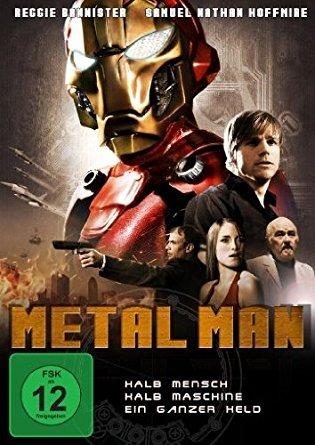
The movie’s title alone signals its groundbreaking premise. Instead of a hidden lair or a secret identity, the protagonist—Metal Man—protects a massive retail complex from ruthless corporate villains. The story weaves together spectacular fight sequences with clever product placements, turning every aisle into a stage for heroics. By positioning the store as the central battleground, the film challenges the traditional notion that heroes operate in isolated, fantastical realms. It suggests that everyday spaces, like a bustling department store, can be just as epic and full of narrative potential.
The Film's Concept and Its Impact
At its core, Metal Man Store explores the intersection of consumer culture and hero worship. The writers drew inspiration from real‑world retail giants, infusing the script with recognizable branding while maintaining a fresh, fictional twist. Audiences responded to this relatable setting, noting how the familiar act of shopping was transformed into an arena of high stakes. Critics praised the movie for its satire, highlighting how it deftly balances slapstick humor with sharp commentary on corporate greed and the commodification of heroism.
Retail Innovation Inspired by the Movie
Beyond entertainment, the film has spurred tangible changes in the retail industry. Companies have begun to experiment with immersive experiences that echo the movie’s dynamic store layout—interactive displays, AR‑enhanced try‑ons, and live‑action events that turn shopping trips into mini‑adventures. Marketing teams cite Metal Man Store as a case study for blending storytelling with product engagement, demonstrating that a well‑crafted narrative can boost foot traffic and brand loyalty. Even smaller boutique owners are adopting these concepts, using themed windows and character‑driven promotions to attract a wider audience.
Future Prospects and Audience Reception
The success of Metal Man Store has opened doors for similar genre‑bending projects. Studios are now exploring sequels that dive deeper into the retail universe, perhaps focusing on different departments or global store chains. Fans have already formed online communities dedicated to dissecting every product placement and Easter egg, turning the movie into a cultural touchstone. The enthusiastic reception suggests that audiences crave fresh settings for their superhero tales, and retailers are eager to capitalize on this momentum.
Conclusion
Metal Man Store stands as a testament to the evolving landscape of superhero storytelling, proving that even the most ordinary environments can become extraordinary when infused with imagination. By intertwining action, satire, and retail innovation, the film has redefined what a superhero film can achieve—and how it can influence real‑world business strategies. As the franchise continues to expand, both cinema lovers and retail professionals will watch closely, eager to see how the next chapter reshapes the boundaries between fantasy and everyday commerce.