
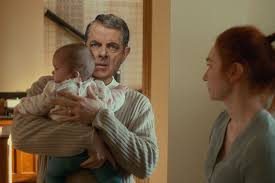
Man Vs Baby Shop: Why This Bizarre Film Sparks Crazy Debate
When a trailer flashes an absurd showdown between a grown‑up man and a boutique full of infants, the internet erupts. “Man Vs Baby Shop” isn’t just a silly premise—it’s a cultural flashpoint that has critics, fans, and casual viewers arguing over what the film really means. This bizarre movie taps into deep anxieties about consumerism, parenting, and the absurdity of modern media, making it a perfect case study for anyone curious about why some films become instant conversation starters.
Man Vs Baby Shop: The Premise That Turns Heads
The film drops viewers into a hyper‑real shopping mall where a lone adult is forced to navigate aisles packed with wailing babies, each representing a different consumer product. The protagonist’s frantic attempts to purchase anything without triggering a diaper‑filled disaster create a visual comedy that is both surreal and unsettling. By blending the innocent world of babies with the cut‑throat atmosphere of retail, the movie immediately challenges our expectations of both genres.
What makes this premise so captivating is its simplicity. The conflict is clear: man versus baby‑laden shop. Yet, beneath the laughs lies a commentary on how society treats children as commodities—tote bags, scented lotions, and even social media fame. The film’s creators have cleverly used this absurd battle to ask whether we’re losing sight of genuine parenting in a market-driven world.
Underlying Themes and Symbolism
Beyond the surface comedy, the movie explores several layered themes. First, it tackles the loss of agency. The adult character is reduced to a helpless shopper, mirroring how modern consumers feel powerless against aggressive marketing tactics. Second, the endless rows of babies serve as a metaphor for the relentless demand for new experiences, especially on platforms that profit from our desire to “keep up” with the latest parenting trends.
Visually, the film employs muted lighting in the store, punctuated by the bright, unsettling glow of nursery devices. This contrast underscores the tension between the comforting notion of child‑rearing and the cold, transactional nature of consumer culture. Each baby’s cry acts as a cue, reminding viewers that behind every product is a real human need, not just a sales figure.
Audience Reactions and the Crazy Debate
From the moment “Man Vs Baby Shop” hit streaming services, social media exploded with polarized opinions. Some viewers praised its daring satire, calling it “a necessary laugh in a world saturated with earnest family dramas.” Others found the premise distasteful, arguing that it trivializes the challenges of parenthood. The debate intensified on platforms like Reddit and Twitter, where fans dissected every scene, searching for hidden meanings.
Critics have also weighed in, noting that the film’s brilliance lies in its willingness to provoke. By flirting with the line between humor and discomfort, it forces audiences to confront their own biases about parenting and consumer habits. The buzz generated by the movie illustrates how a seemingly ridiculous concept can unleash a broader conversation about societal values.
What the Film Says About Modern Culture
At its core, “Man Vs Baby Shop” is a mirror reflecting the absurdities of contemporary life. In an era where influencers market baby products with the same fervor as luxury cars, the movie asks: are we buying into a myth that perfect parenting can be packaged and sold? The answer, as the film suggests, is far from simple. The chaotic shopper’s journey reveals that when we treat children as commodities, we risk losing the very essence of caregiving.
Moreover, the film highlights the growing disconnect between personal experience and curated online personas. The shop’s glossy façade represents the polished images we see on social media, while the cries echo the genuine struggles hidden behind those filtered posts. By confronting viewers with this juxtaposition, the movie encourages a more authentic dialogue about the pressures faced by modern parents.
In the end, “Man Vs Baby Shop” may appear as a bizarre, comedic stunt, but its impact reaches far beyond the screen. It sparks a necessary debate about consumerism, parenting, and the ways we package life’s most intimate moments for mass consumption. Whether you laugh, cringe, or simply ponder its deeper implications, the film has undeniably carved a space in cultural conversation—a testament to the power of bold storytelling in an age of endless content.