
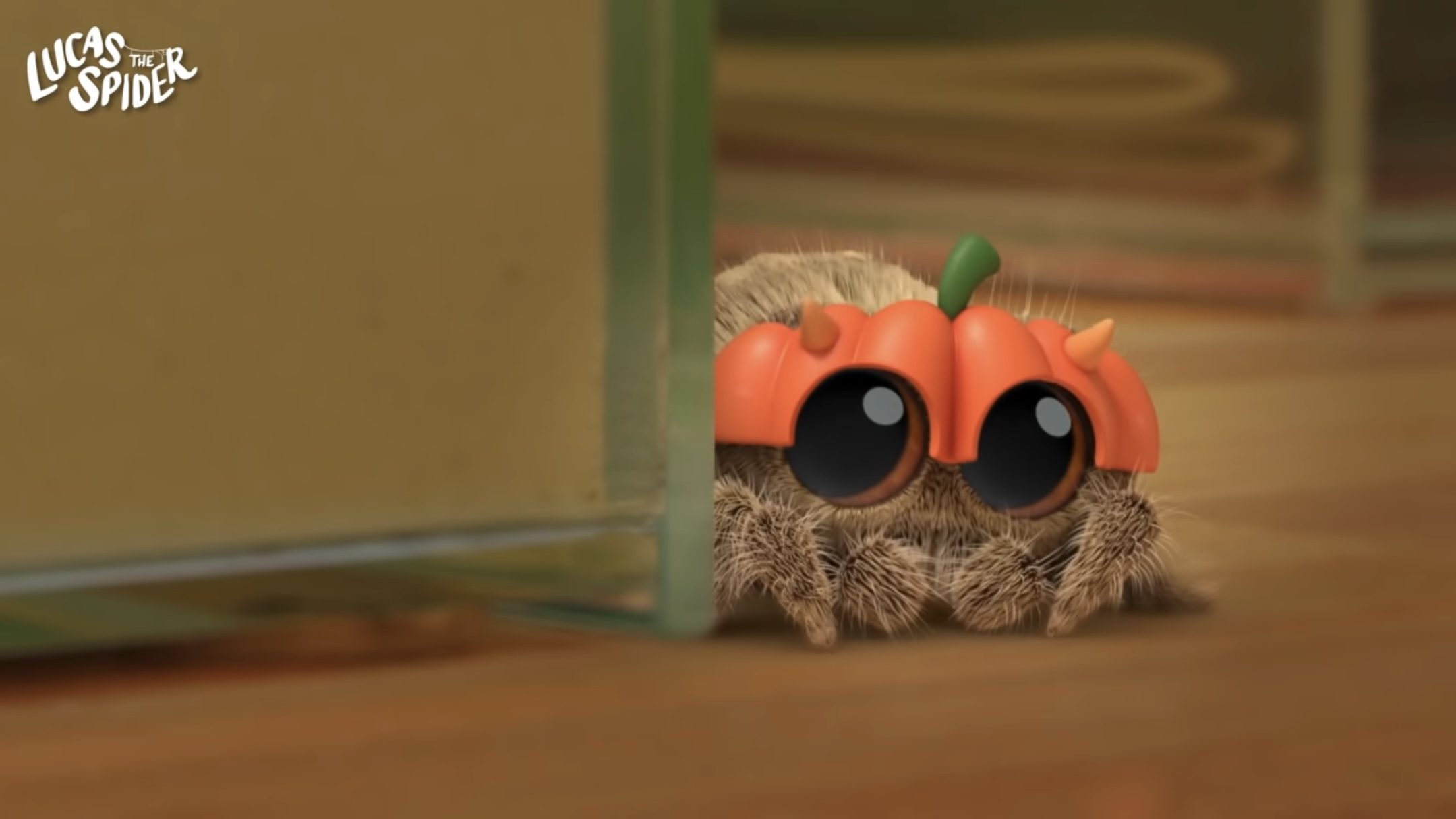
Lucas The Spider Store: How the TV Series Came to Life
When the adorable eight‑legged hero first scurried onto screens, fans wondered how a simple YouTube short could blossom into a full‑blown television series. The answer lies in a blend of clever branding, fan enthusiasm, and a surprisingly strategic retail venture. By tracing the path from a modest online storefront to the vibrant world of animated episodes, we uncover how the Lucas The Spider Store became the catalyst that turned a viral character into a lasting TV phenomenon.
From Merchandise to Momentum: The Lucas The Spider Store Launch
Everything started with a modest e‑commerce shop stocked with plush toys, tees, and stickers. The store wasn’t just a sales channel; it served as a community hub where fans could connect over shared love for the curious arachnid. By offering limited‑edition items and interactive experiences, the store generated buzz that extended far beyond typical merchandise sales.
Each product release was timed to coincide with new video drops, creating a feedback loop that amplified audience engagement. As the brand’s visibility grew, streaming platforms took notice, seeing a ready‑made fan base eager for more content. The commercial success of the store proved that there was genuine demand for deeper storytelling.
Creative Collaboration: Turning Short Clips into a Full Series
Recognizing the store’s impact, the original creators partnered with animation studios to expand the character’s universe. The transition required more than just drawing longer episodes; it involved developing story arcs, supporting characters, and a consistent visual style that matched the merchandise aesthetic.
Writers leaned on fan feedback gathered through product reviews and social media comments on the store’s website. This insight helped shape plotlines that resonated with both newcomers and long‑time supporters. The resulting series retained the quirky humor of the shorts while delivering richer narratives that kept audiences returning week after week.
Marketing Synergy: Cross‑Promoting the Series and Store
Once the show premiered, the marketing team employed a dual‑promotion strategy. Episodes featured subtle product placements, and the store released exclusive items tied to pivotal plot moments. For example, after a memorable episode where Lucas discovers a new companion, a limited‑edition plush of that character hit the store within days.
This approach not only boosted merchandise sales but also drove viewership, as fans flocked to watch episodes featuring their new collectibles. Social media challenges, hashtag campaigns, and behind‑the‑scenes content further intertwined the series with the store’s brand identity, solidifying a cohesive fan experience.
Impact and Future Directions: A Model for Modern Media Franchises
The success story of Lucas The Spider Store illustrates how merchandise can be more than a revenue stream; it can act as a foundational pillar for content creation. By leveraging direct consumer interaction, the brand cultivated a loyal audience that eagerly anticipated each new episode.
Looking ahead, the creators plan to expand the franchise with interactive apps, live events, and perhaps even a themed attraction. The underlying principle remains the same: a strong retail presence fuels narrative growth, and compelling storytelling, in turn, sustains the store’s relevance. This symbiotic relationship sets a new benchmark for how TV series can originate from the grassroots enthusiasm of a dedicated fan marketplace.