
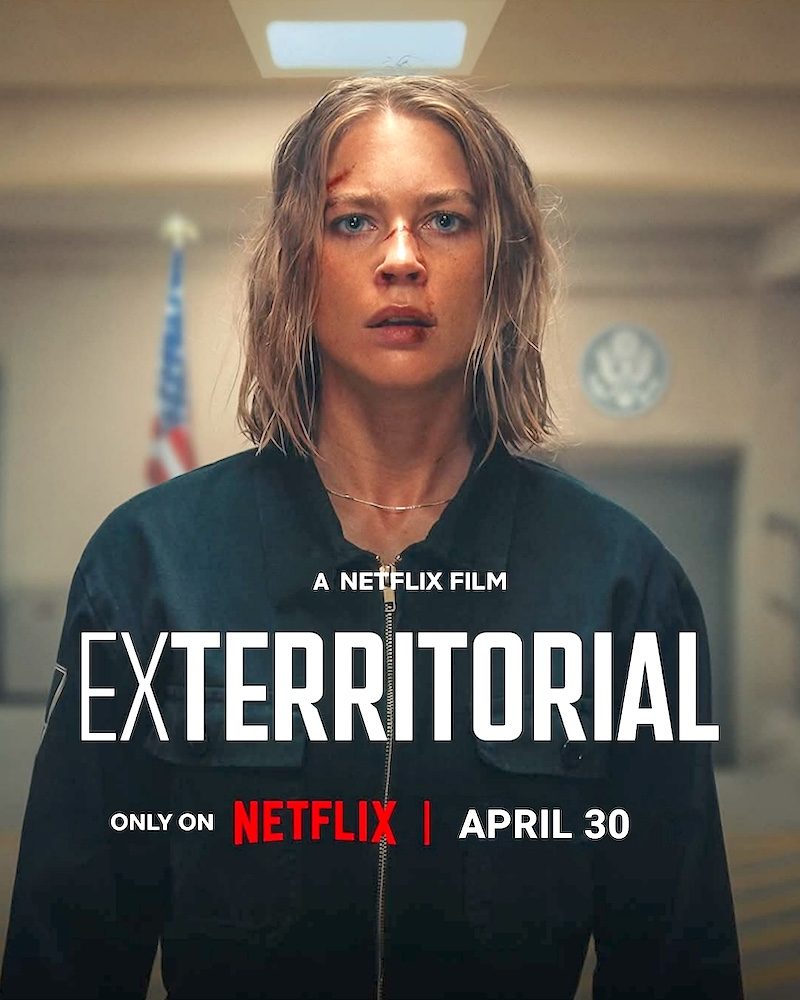
Ihostage Shop Movie: Secrets Behind Its Surprising Success
When the first trailer for Ihostage Shop hit the web, few could predict the wave of excitement it would generate. The low‑budget thriller seemed destined for niche festivals, yet it surged onto mainstream screens, sparking discussions across social media and cinema blogs. What transformed this modest film into a cultural phenomenon? In this post we explore the strategic moves, creative choices, and audience dynamics that unlocked the surprising success of Ihostage Shop, offering insights that other independent creators can apply to their own projects.
The Unexpected Marketing Magic of Ihostage Shop
Rather than relying on costly TV spots, the filmmakers turned to micro‑targeted ads on platforms where thriller fans congregate. By analyzing hashtags and community forums, they identified the exact language that resonated with their core audience. The result was a series of short, intrigue‑laden videos that felt personal rather than promotional, prompting shares and comments that amplified reach organically.
In addition, a clever partnership with a popular podcast about suspense cinema provided an exclusive behind‑the‑scenes episode. Listeners received a limited‑time discount code for early ticket purchases, creating urgency and a sense of belonging to an insider group. This combination of precise digital targeting and community‑based incentives turned a modest budget into a viral engine.
Storytelling and Cinematic Techniques That Captivated Viewers
Ihostage Shop stands out for its tight, character‑driven narrative. The story unfolds in a single, cramped storefront, forcing the audience to focus on the psychological tension between protagonist and antagonist. By limiting the setting, the director amplified the claustrophobic atmosphere without expensive set constructions.
The film also employs a distinctive color palette—muted greys punctuated by stark reds—that subtly cues emotional shifts. Quick cuts during high‑stakes moments heighten adrenaline, while lingering shots in quieter scenes allow viewers to soak in the characters’ vulnerability. This visual rhythm keeps the audience engaged from start to finish, making the movie memorable beyond its runtime.
Audience Engagement and Word‑of‑Mouth Momentum
After the premiere, the team launched an interactive online map that let fans pinpoint where they felt the most tension in the movie. Participants could share their “most intense” moments on social media, creating a cascade of user‑generated content. This approach turned viewers into promoters, as each post sparked curiosity among friends who hadn’t yet seen the film.
Moreover, a series of live‑tweeted Q&A sessions with the cast allowed fans to ask behind‑the‑scenes questions in real time. The transparency fostered a community feeling, encouraging repeat viewings and discussion groups that kept the conversation alive weeks after the initial release.
Future Prospects and Lessons for Indie Filmmakers
The triumph of Ihostage Shop demonstrates that a well‑executed digital strategy can rival big‑studio marketing budgets. Independent creators should consider building micro‑communities early, using data‑driven ad placements, and offering exclusive experiences that reward early supporters.
From a creative standpoint, focusing on strong storytelling, inventive visual cues, and a limited yet effective setting can produce a high‑impact experience without overspending. As the industry continues to evolve, the blend of savvy promotion and artistic precision shown by Ihostage Shop offers a roadmap for emerging talent aiming for breakthrough success.
In conclusion, the surprising ascent of Ihostage Shop is no accident; it is the result of intentional marketing, compelling cinematic choices, and deep audience engagement. By studying these elements, independent filmmakers can unlock similar pathways to success, turning modest resources into powerful cultural moments.