Grimace Store: A Surprising Movie Character Cameo Explained
When fans spotted a familiar purple figure strolling through a bustling set, the internet erupted with speculation: was it really the lovable McDonald’s mascot making a surprise cameo, or just a cleverly placed easter egg? The answer lies in the unexpected partnership that brought the iconic character to the big screen, and it all revolves around the quirky phenomenon known as Grimace Store.
How the Grimace Store Cameo Originated
The seed for the cameo was planted during a brainstorming session for a blockbuster comedy that thrives on pop‑culture references. The writers wanted a moment that would be instantly recognizable yet totally out of place, creating a comedic jolt. After rummaging through decades of brand mascots, they landed on Grimace, the gentle purple “friend” from the fast‑food world. To make the appearance feel fresh, they attached it to a fictional “store” concept—a meta‑shopping experience that lets characters pop in and out of reality. Thus, the Grimace Store idea was born.
Production notes reveal that the cameo was initially meant to be a quick background gag, but the studio executives saw marketing gold. By tying the scene to an actual promotional campaign, they could extend the joke beyond the theater and into social media, merchandise, and even pop‑up retail pop‑ups. This synergy turned a simple visual joke into a multi‑layered stunt.
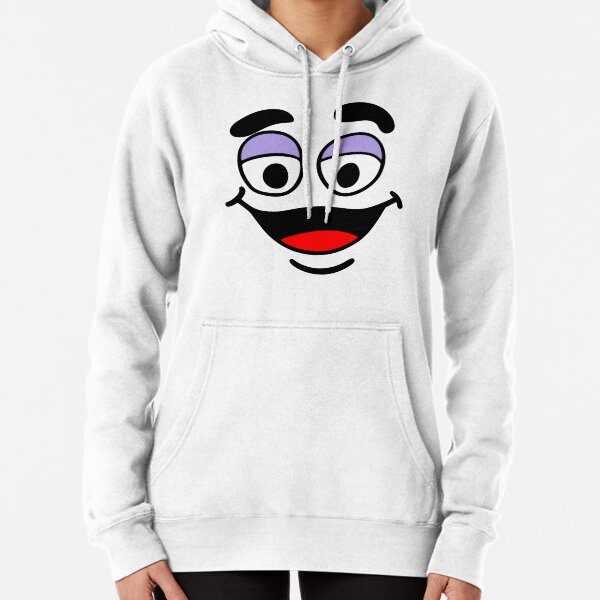
From a logistical standpoint, the team worked closely with the brand's legal department to ensure the character’s portrayal stayed true to its wholesome image. The result was a carefully choreographed moment where Grimace wanders into a boutique labeled “Grimace Store,” complete with purple‑themed décor and subtle product placements. The scene feels like a fleeting wink to fans, but its impact runs deeper.
Why the Film Chose the Grimace Store Angle
Choosing Grimace Store wasn’t a random decision; it was a strategic move to tap into nostalgia while delivering fresh humor. The mascot has been a cultural touchstone for generations, and its sudden appearance triggers an instant emotional response. By framing the cameo within a “store” setting, the filmmakers gave the audience a context that feels both modern and absurd.
Moreover, the partnership opened a revenue stream for both parties. The movie’s promotional partners could sell limited‑edition merchandise that blended the film’s branding with the classic purple character. Fans eagerly snapped up everything from t‑shirts to collectible figurines, proving that the cameo was more than a gag—it became a merchandising engine.
Critics also noted that the cameo served a narrative purpose, subtly commenting on consumer culture. The Grimace Store, a playful parody of retail excess, sat beside a scene about materialism, adding a layer of satire that would have been lost without the recognizable mascot.
Fan Reaction and Cultural Impact
Social media lit up the moment the clip emerged, with hashtags like #GrimaceStore trending worldwide. Memes flooded platforms, remixing the scene with various pop‑culture references, from superhero crossovers to vintage cartoons. The cameo sparked a wave of user‑generated content, amplifying the film’s reach without additional advertising spend.
Beyond the laughs, the cameo sparked discussions about brand integration in movies. Some praised the cleverness, while others warned of over‑commercialization. Nonetheless, the overwhelming sentiment leaned toward appreciation for the unexpected nod to a beloved character.
In the weeks following the release, the Grimace Store concept migrated from the screen to real life. Pop‑up shops appeared in major cities, offering fans a hands‑on experience that blended cinema and retail. These events not only drove foot traffic but also deepened the connection between the audience and the brand, cementing the cameo’s legacy.
What This Means for Future Cross‑Promotions
The success of the Grimace Store cameo sets a new benchmark for how studios and brands can collaborate. It demonstrates that a well‑placed character cameo can serve both storytelling and marketing goals, creating a win‑win scenario. Future films are likely to explore similar strategies, using beloved mascots to bridge the gap between narrative and commercial appeal.
For brands, the lesson is clear: authenticity matters. By aligning with a project that respects the character’s heritage, they can avoid the pitfalls of forced product placement. The result is an organic integration that feels like a natural extension of the story, delighting fans rather than alienating them.
As audiences become savvier and more attuned to branding, the challenge will be to craft cameos that feel genuine. The Grimace Store episode shows that when done right, a cameo can become a cultural moment, generating buzz, sales, and lasting fan love.
In the end, the surprising movie character cameo is more than just a fleeting sight—it’s a masterclass in blending nostalgia, humor, and strategic branding. The Grimace Store phenomenon proves that with the right creative vision, a simple purple mascot can become a catalyst for conversation, commerce, and unforgettable cinematic moments.