
Captain Phillips Store: Behind the Scenes of the Epic Film
Step onto the set of one of the most talked‑about maritime thrillers of the decade and you’ll feel the tension that made audiences hold their breath. The behind‑the‑scenes story of the Captain Phillips Store explores how a real‑life hijacking was transformed into an immersive cinematic experience, blending authentic nautical details with high‑octane drama. From the moment the production team opened the doors of the replica ship, every crew member was tasked with preserving the gritty realism that defines the film. This journey reveals the creative decisions, technical challenges, and marketing savvy that turned a harrowing true story into a box‑office phenomenon.
The Concept and Inspiration Behind the Captain Phillips Store
When producers first pitched the idea, they wanted more than a simple reenactment. They imagined a space where viewers could step inside the very environment that shaped the narrative. The concept of a “store” within the title refers to a dedicated exhibition area that houses props, costumes, and interactive displays. By anchoring the film’s promotion around this physical hub, the team honored the real events while giving fans a tangible connection to the story.
Research teams spent months interviewing survivors, poring over maritime logs, and studying the actual cargo vessel. This meticulous groundwork ensured that the Captain Phillips Store would reflect the true atmosphere of the sea, from the creaking decks to the cramped captain’s quarters. The result is a setting that feels both historically accurate and dramatically potent, inviting audiences to explore the nuances of bravery, desperation, and survival.
Inside the Captain Phillips Store Set
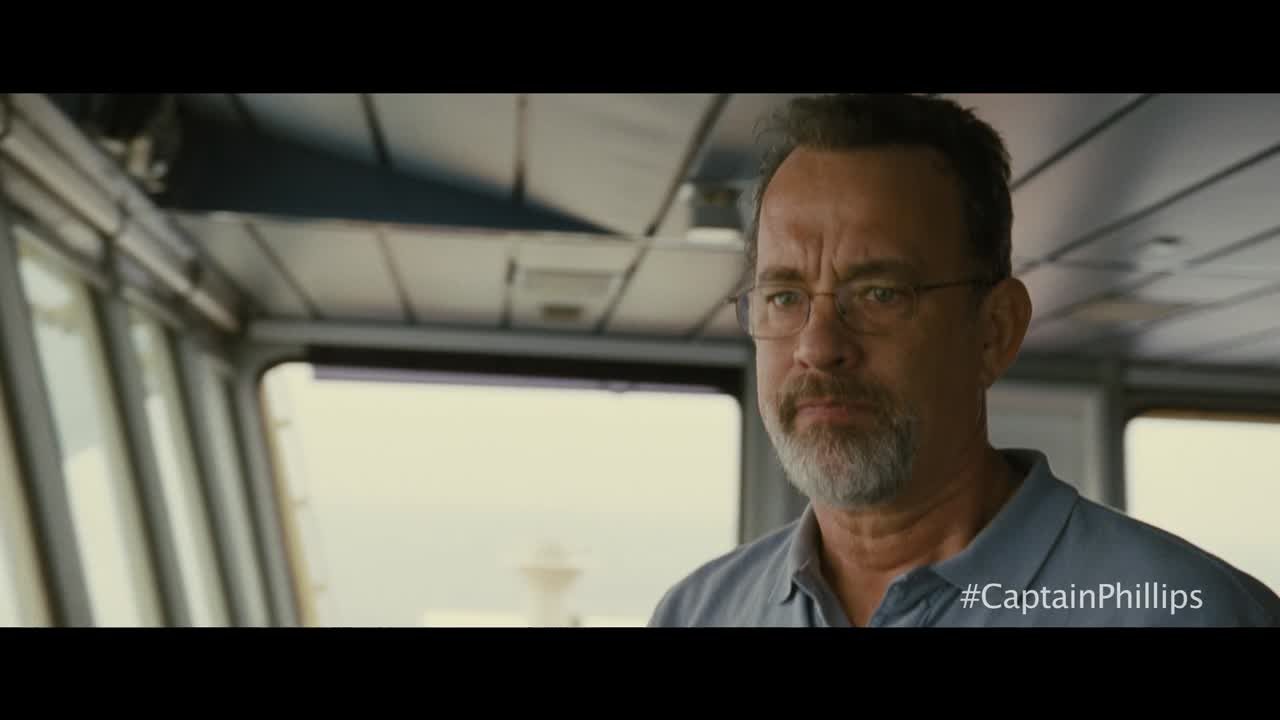
Building the set required a blend of traditional shipbuilding techniques and modern visual‑effects technology. Skilled craftsmen constructed a full‑scale replica of the MV Maersk Alabama’s bridge, complete with authentic navigation instruments and weather‑worn railings. Meanwhile, digital artists prepared background plates that could be seamlessly merged with the physical set, allowing actors to react to realistic storm conditions without the danger of actual high seas.
The design team faced a unique challenge: the set had to accommodate camera rigs, lighting rigs, and safety equipment while remaining convincing to the eye. To solve this, modular sections were built that could be quickly reconfigured, giving directors the flexibility to capture tight close‑ups and sweeping wide shots. Every bolt, rope, and steel plate was chosen with the dual purpose of authenticity and practicality, turning the Captain Phillips Store into a living, breathing environment that served the story and the production alike.
Casting and Character Development
Choosing the right actors was crucial for the film’s credibility. The lead role demanded a performer who could embody quiet resolve and palpable tension. Auditions focused on subtle facial expressions that would translate well on the intricately detailed set. Once cast, actors spent days rehearsing on the Captain Phillips Store replica to internalize the cramped, oppressive feel of a vessel under siege.
Beyond the main cast, background talent received extensive training on maritime protocols. Crew members learned to tie authentic knots, operate faux navigation systems, and navigate the ship’s narrow passageways. This immersive approach helped seasoned actors and extras alike convey a sense of shared reality, making the intense encounter between the crew and the hijackers feel startlingly genuine.
Marketing the Captain Phillips Store Experience
From day one, the marketing strategy leveraged the physical store as a centerpiece for fan engagement. Pop‑up exhibitions toured major cities, allowing visitors to step onto the exact deck used in the climactic scenes. Social media teasers highlighted behind‑the‑scenes footage of the set’s construction, sparking curiosity and driving ticket sales.
Special edition merchandise—such as replica life vests, miniature navigation charts, and limited‑run DVDs packaged with a mini‑model of the ship—expanded the brand’s reach. Partnerships with maritime museums further cemented the film’s reputation as a respectful yet thrilling retelling of true events. By intertwining the narrative with tangible experiences, the Captain Phillips Store brand extended beyond the screen, creating a lasting cultural imprint.
In the end, the Captain Phillips Store serves as a testament to the power of meticulous craftsmanship, dedicated research, and innovative marketing. The film’s success was not solely due to its star‑studded cast or dramatic script, but also to the unforgettable environment that allowed every viewer to feel the weight of the ocean’s unforgiving grip. As audiences continue to explore the exhibit and rewatch the movie, they are reminded that behind every epic film lies a carefully constructed world, waiting to be discovered.