
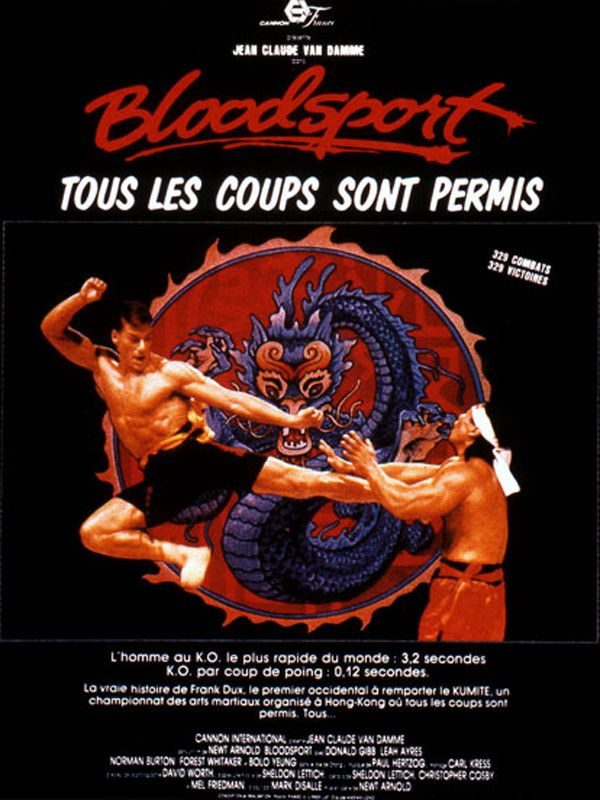
Bloodsport Store: The Movie That Shaped Martial Arts Cinema
When the 1988 cult classic hit theaters, it did more than just introduce a new action hero; it redefined the way martial arts were portrayed on the silver screen. The movie’s raw energy, electrifying fight sequences, and unforgettable characters have left an indelible mark on cinema lovers worldwide. This is why the story behind Bloodsport Store continues to attract fans who seek to understand how a single film could shape an entire genre.
Bloodsport Store: A Landmark in Martial Arts Film
Bloodsport Store emerged at a time when martial arts movies were transitioning from traditional kung‑fu epics to high‑octane, realistic combat spectacles. Directed by Newt Arnold and starring the legendary Jean‑Claude Van Van Dam, the film captured the gritty atmosphere of underground tournaments. Its authentic fight choreography, combined with a compelling underdog narrative, set a new standard for authenticity and intensity in martial arts cinema.
The Rise of the Underground Tournament Concept
The core of the movie revolves around a secret all‑out fighting tournament known as the Kumite. This covert event became a cultural touchstone, inspiring countless filmmakers to explore secret societies and clandestine competitions. By showcasing diverse fighting styles—from karate and Taekwondo to Muay Thai—the film highlighted the global nature of martial arts and invited audiences to appreciate each discipline’s unique flair.
Beyond the spectacle, the Kumite symbolized a broader struggle: personal honor versus societal expectations. The protagonist’s journey from a disciplined soldier to a rogue fighter resonated with viewers who identified with the fight for self‑discovery. This narrative depth helped elevate Bloodsport Store from a simple action flick to a thematic exploration of bravery, perseverance, and inner balance.
Impact on Martial Arts Cinema and Pop Culture
Following its release, the film sparked a surge in martial arts productions that emphasized realism and intense training regimens. Studios began investing in authentic fight choreography, hiring real martial artists to perform stunts and ensuring that the combat scenes felt genuine. As a result, subsequent movies adopted a more grounded aesthetic, moving away from exaggerated, cartoonish moves.
The iconic “who‑a‑who‑killed‑the‑guy‑that‑died‑first” death scene, the rooftop fight, and the thunderous final showdown have all been homaged in later works, from video games to modern blockbusters. Cultural references to Bloodsport Store appear in everything from comic book dialogues to TV sitcoms, cementing its status as a pop‑culture cornerstone.
Legacy and Modern Influence
Decades later, the film’s influence remains evident in contemporary martial arts films and series. Directors cite Bloodsport Store as a primary source of inspiration for crafting authentic combat scenes and developing complex, morally ambiguous protagonists. Training academies around the world also reference the movie’s fight techniques, encouraging students to study its choreography for practical application.
The rise of mixed martial arts (MMA) owes a debt to the film’s celebration of cross‑disciplinary fighting. By demonstrating how different styles could coexist and complement one another, Bloodsport Store helped pave the way for the modern sport’s growth, which now dominates arenas worldwide.
Exploring the Real‑World Bloodsport Store Experience
For enthusiasts eager to relive the movie’s excitement, visiting themed events and pop‑up stores that pay homage to the original film offers a unique immersion. These venues often showcase replica costumes, vintage posters, and interactive simulations of the Kumite arena, allowing fans to experience the adrenaline‑pumping atmosphere firsthand.
In addition, many martial arts schools organize special workshops inspired by the movie’s training sequences, giving participants a chance to master the techniques that made the film legendary. By engaging with these experiences, new generations can appreciate how Bloodsport Store redefined the genre and continues to influence contemporary combat storytelling.